Future Treatments Today
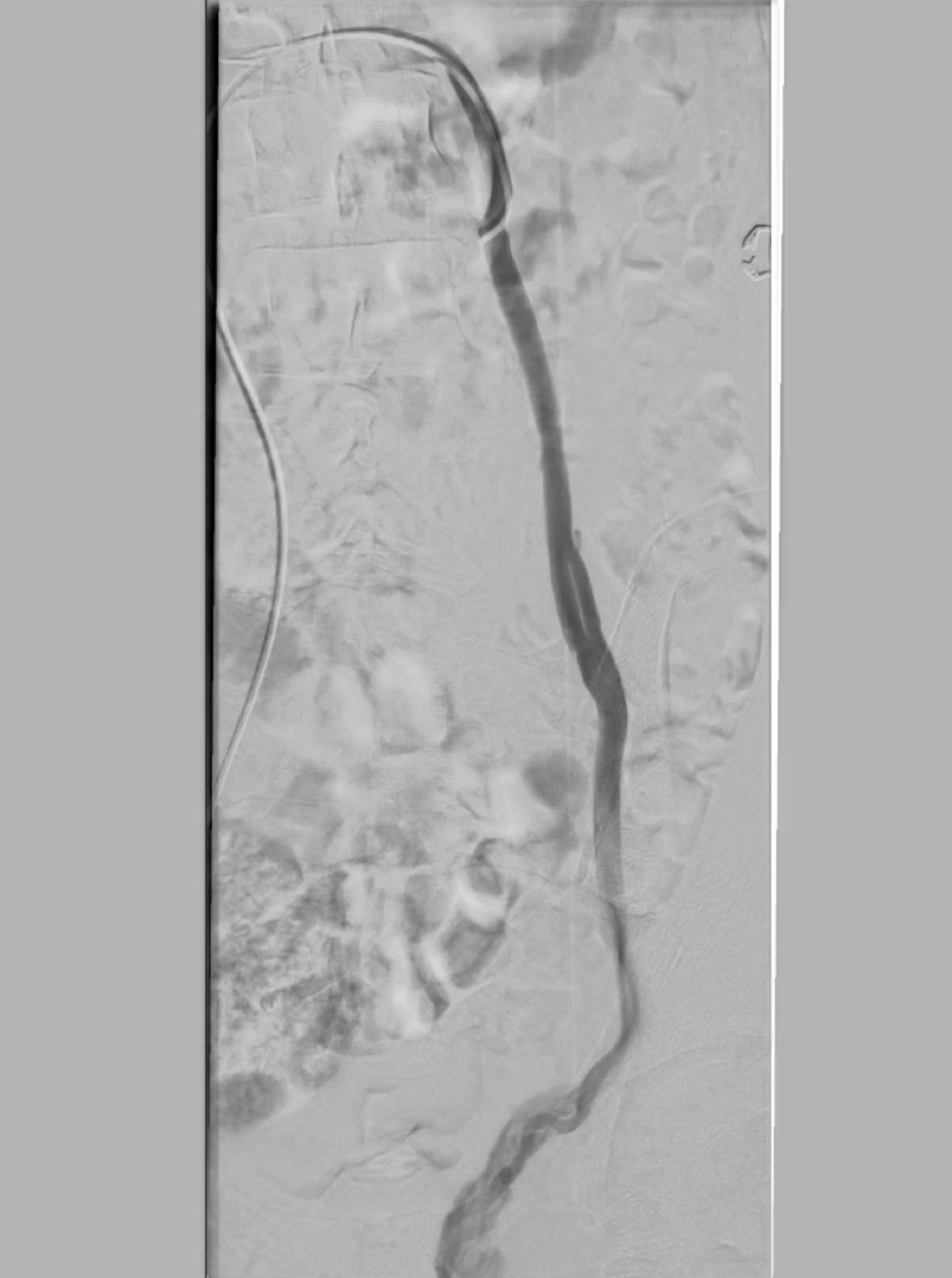
Varicocele Embolisation
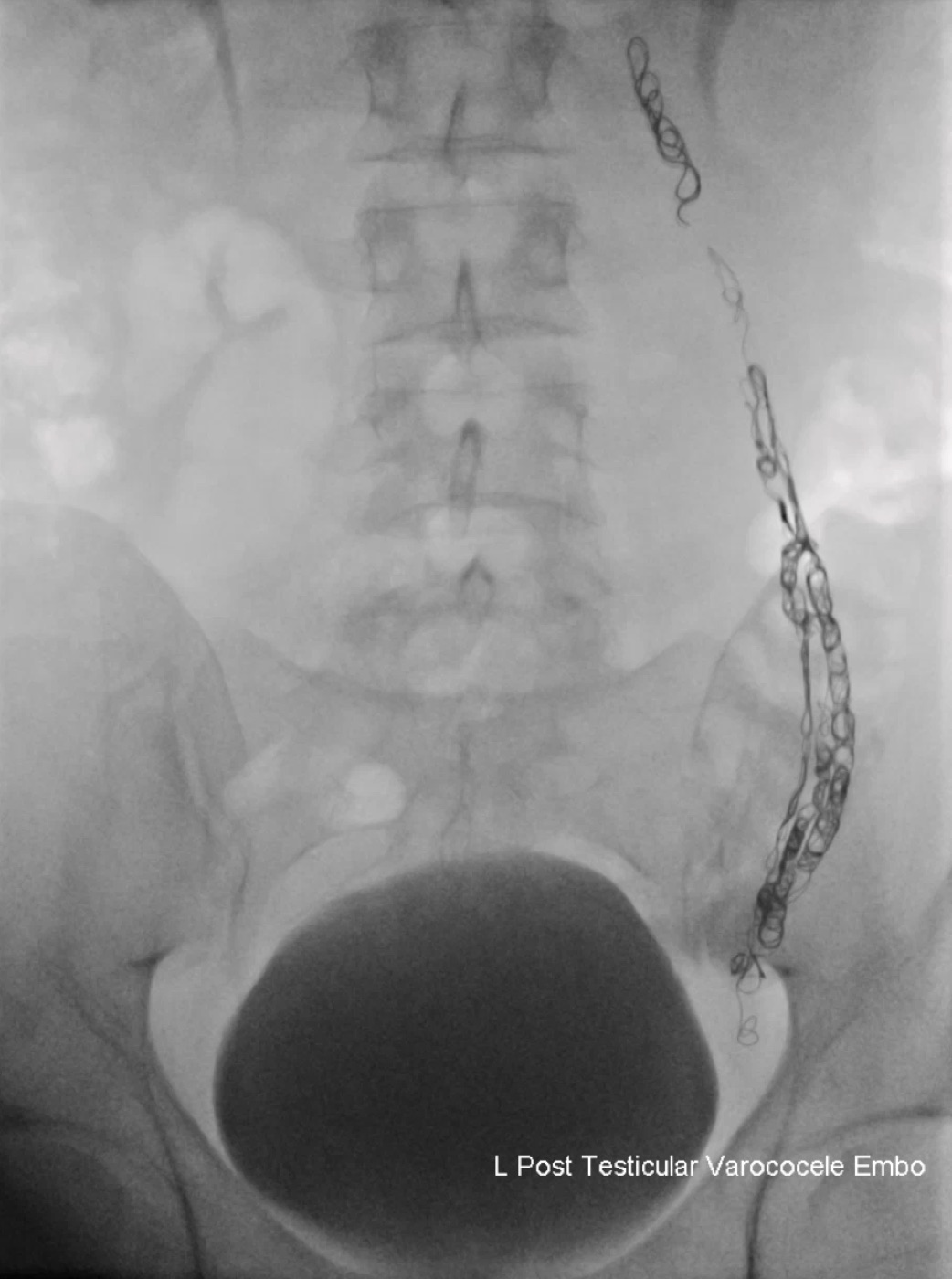
Percutaneous Embolisation
Using advanced imaging guidance, we insert tiny coils or plugs to block blood flow to the enlarged veins. This state-of-the-art procedure offers:
No surgical incision required
Local anaesthetic only
Same-day discharge
Return to normal activities within 24-48 hours
98% success rate
Lower recurrence rates than surgery
Why Choose Embolisation?
Minimally Invasive: No large incisions or general anaesthesia
Faster Recovery: Return to work in 1-2 days vs 1-2 weeks
Better Outcomes: Lower recurrence and complication rates
Imaging Guided: Real-time visualisation ensures precision
Fertility Improvement: Up to 70% improvement in sperm parameters
The Spectrum Procedure
Before Your Procedure:
Comprehensive ultrasound assessment
Pre-procedure consultation with our specialists
Detailed explanation of the procedure
Minimal preparation required
During the Procedure:
Local anaesthetic administration, sometimes with sedation
Small catheter insertion via arm, groin or neck
Real-time imaging guidance
Precise coil or glue placement
Procedure takes 30-60 minutes
FAQ
Does the procedure affect hormone levels?
No. Varicocele embolisation does not affect testosterone or other hormone levels. The procedure targets only the abnormal veins and doesn't impact testicular function or hormone production.
Does the procedure affect sexual function?
No. The procedure doesn't affect erectile function, libido, or ejaculation. Many patients report improved sexual function due to reduced pain and discomfort after treatment.
Does the procedure affect fertility?
Varicocele embolisation may improve fertility in men with varicocele-associated infertility. By reducing testicular temperature and improving blood flow, the procedure can enhance sperm production and quality. Studies show improved semen parameters in 60-70% of treated men with pre-procedure abnormalities.
Can it recur? And can the procedure be repeated?
Yes, varicoceles can recur in approximately 5-10% of cases, usually due to development of collateral veins. If recurrence happens, the procedure can safely be repeated. The success rate of repeat embolisation is similar to the initial procedure, with minimal additional risk.
What are the risks of the procedure?
Risks are minimal but include:
Temporary discomfort at the access site
Minor bruising
Rare infection (less than 1%)
Very rare allergic reaction to contrast material
Extremely rare non-target embolisation (less than 0.5%)
Technical failure to catheterise the vein (2-5% of cases)
Serious complications such as migration of embolic material or damage to surrounding structures are exceptionally rare (less than 0.1%).